
Ecology begins with attention
Emergent Earth strives to foster a practice of observation, understanding, and participation in the living ecosystems of which we are a part, that are already unfolding before us.

Ecological Demonstration
Living landscapes that illustrate native habitat, urban ecology, succession, sustainable gardening, greenhouse systems, and stewardship practices.
Environmental Education
Workshops, field observations, publications, and learning experiences that help people notice relationships within living systems.
Community Stewardship
Collaborative care for land, plants, wildlife, and neighborhood spaces through long-term observation and thoughtful participation.
Emergent Earth systems view
Multifunctional urban food system
One residential landscape producing food while cycling water and nutrients, supporting habitat, and remaining useful to the household.
What changes from traditional production
| Dimension | Traditional food plot | Multifunctional ecological system |
|---|---|---|
| Primary question | How much food can this area produce? | How can this place feed people while also managing water, soil, habitat, comfort, and long-term care? |
| Layout | Crops occupy a dedicated production zone. | Food beds, perennials, trees, water, habitat, paths, and household activity are connected. |
| Inputs and waste | Water, fertilizer, mulch, and labor are brought in; residues are removed. | Roof water, suitable food scraps, leaves, prunings, and crop residues circulate within the site where safe. |
| Urban constraints | Shade, wildlife, wet areas, and existing vegetation are treated mainly as obstacles. | Constraints guide the design: shade changes crop placement, wet areas receive overflow, and wildlife pressure shapes protection. |
| Success | Yield, uniformity, and production efficiency. | Useful food plus manageable labor, water function, living soil, household use, habitat, resilience, and learning. |
Rainwater is selected.
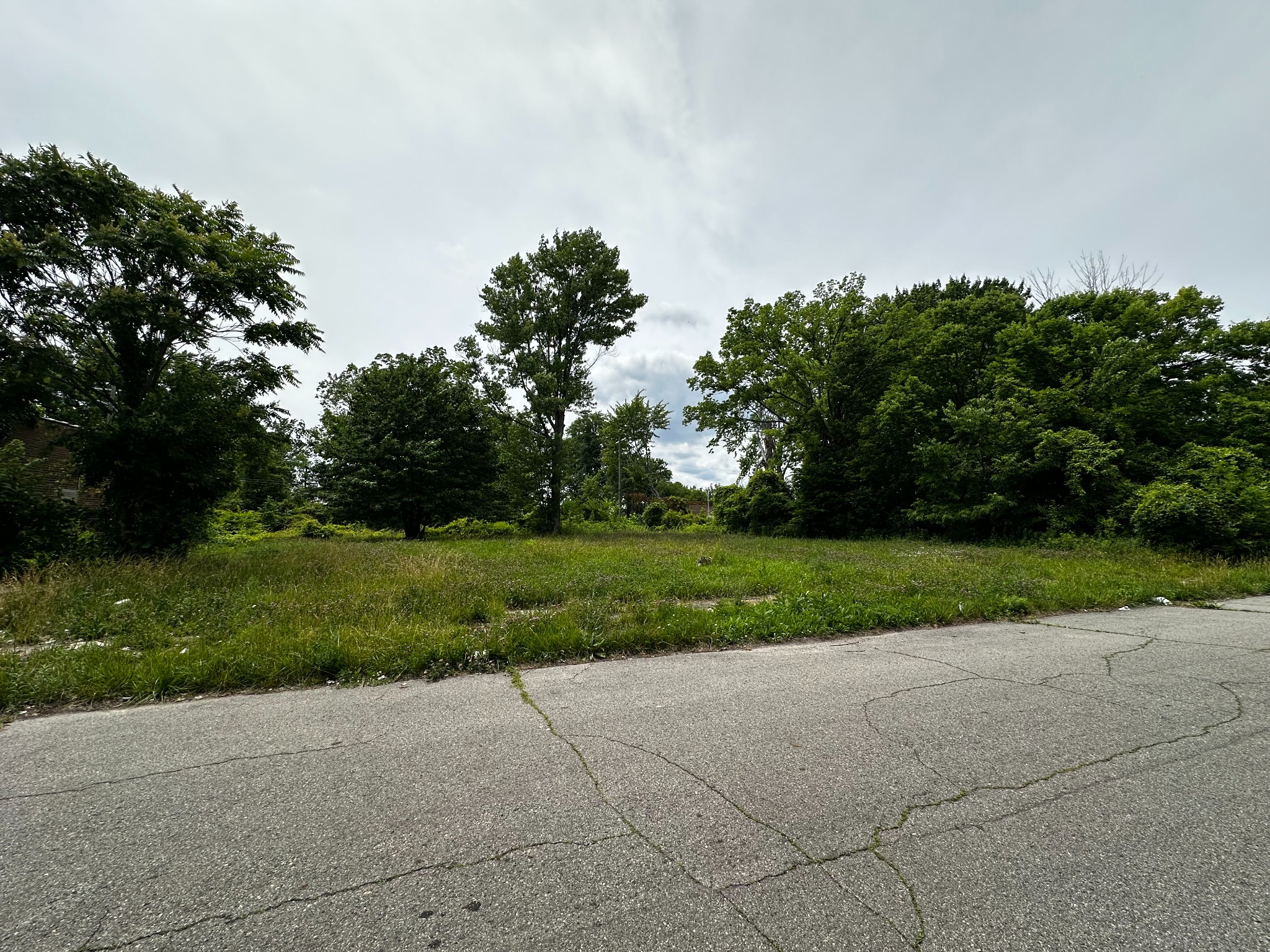
A future greenhouse demonstration area: land already unfolding.
Guided by ObservaCulture
Emergent Earth is guided by ObservaCulture, the art and practice of cultivating observation. Before we intervene, we observe. Before we conclude, we reflect on what the experience evokes. Then we allow understanding and appropriate action to unfold.